


How to Keep Your Pets Healthy as They Age: Senior Pet Care and Longevity
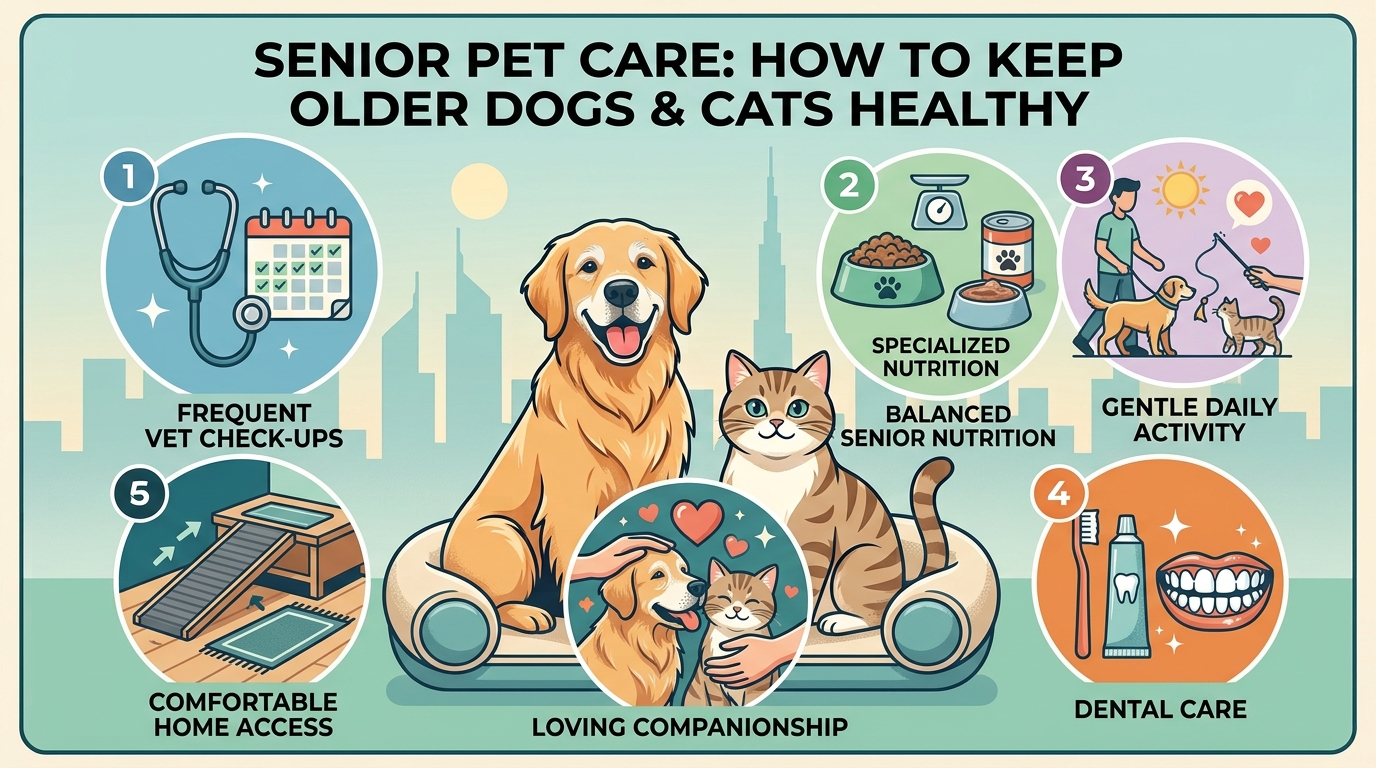
Watching a dog or cat grow older is a special part of pet ownership. Over the years, pets become familiar companions, develop routines and become part of the family. As they age, however, their physical and behavioural needs can change.
Older pets may become less active, develop joint stiffness, experience changes in appetite or need more frequent veterinary attention. Some changes are a normal part of ageing, while others may indicate a medical condition that needs treatment.
The goal of senior pet care is not simply to help dogs and cats live longer. It is to help them remain comfortable, active and emotionally fulfilled throughout their later years.
This guide explores how to care for ageing pets and support their quality of life.
1. When Is a Pet Considered a Senior?
There is no single age at which every dog or cat becomes a senior. Ageing depends on factors such as species, breed, size, genetics and overall health.
Dogs often age at different rates depending on their adult size. Larger breeds may develop age-related changes earlier than smaller breeds.
Cats also have individual ageing patterns. Many cats begin to need more attention to age-related health concerns as they enter their later adult years.
Rather than relying only on a birthday, ask your veterinarian when your pet should move to a senior-care programme.
2. Schedule More Frequent Veterinary Check-ups
Regular health examinations become increasingly important as pets age.
Older dogs and cats can develop conditions that progress gradually, including kidney disease, arthritis, dental disease, diabetes, heart conditions and changes in thyroid function.
A senior wellness examination may include:
- Physical examination
- Weight and body-condition assessment
- Dental and oral health check
- Mobility and joint assessment
- Blood tests
- Urine tests
- Blood pressure measurement where appropriate
- Screening for age-related conditions
The American Animal Hospital Association (AAHA) recommends veterinary examinations every six months for senior pets, with further tests based on individual health needs.
A regular check-up can help identify changes before they become more difficult to manage.
3. Adjust Your Pet’s Diet and Nutrition
An older pet may have different nutritional requirements from a younger animal.
Changes in metabolism, activity levels, muscle condition and medical health can affect how much food and which nutrients are appropriate.
Nutrition tips for senior dogs
- Choose a complete diet appropriate for your dog’s life stage and health.
- Monitor weight and body condition.
- Adjust portions if activity levels decrease.
- Discuss joint or mobility concerns with your veterinarian.
- Monitor appetite and drinking habits.
Nutrition tips for senior cats
- Monitor weight carefully, including unexpected weight loss.
- Provide easy access to fresh water.
- Discuss wet food or other hydration strategies with your veterinarian.
- Watch for changes in appetite and eating behaviour.
- Ask about therapeutic diets if your cat develops a medical condition.
Do not automatically switch to a low-protein diet simply because your pet is older. Some senior animals need adequate dietary protein to help maintain muscle mass, while pets with certain medical conditions may need a specifically formulated diet.
The correct feeding plan should be based on veterinary assessment.
4. Keep Your Senior Pet Physically Active
Ageing does not mean that dogs and cats should stop moving.
Regular, appropriate activity helps maintain muscle strength, mobility, healthy body weight and mental stimulation.
Exercise for older dogs
Consider:
- Shorter, more frequent walks
- Gentle play sessions
- Controlled swimming where appropriate and safe
- Low-impact activities
- Walks on comfortable surfaces
Watch for signs of discomfort, stiffness or fatigue. Adjust the duration and intensity of activity to suit your dog’s condition.
Exercise for older cats
Cats can remain playful throughout their lives, although older animals may prefer shorter sessions.
Try:
- Gentle interactive play
- Low-level climbing opportunities
- Puzzle feeders
- Toys that encourage natural hunting behaviour
- Comfortable resting areas near favourite activity spaces
If your pet suddenly becomes reluctant to move, do not assume it is simply old age. Pain and medical conditions can reduce activity.
5. Look After Dental Health
Dental problems can become more common as pets grow older.
Plaque and tartar accumulation can contribute to gum inflammation, periodontal disease, pain and tooth loss. Dental discomfort may also affect eating habits and general wellbeing.
Practical steps include:
- Introduce regular brushing with pet-specific toothpaste.
- Arrange routine dental examinations.
- Ask your veterinarian about professional dental cleaning.
- Monitor bad breath, drooling and chewing difficulties.
- Investigate changes in appetite or food preference.
Older pets may hide signs of oral pain. Regular examinations are particularly important when dental disease is suspected.
6. Make Your Home Comfortable for an Older Pet
Small changes around the home can make everyday life easier for ageing animals.
Provide comfortable bedding
Choose a supportive bed in a quiet, accessible location. Older pets may benefit from softer or more supportive resting surfaces.
Reduce slippery surfaces
Hard floors can be difficult for pets with joint problems. Non-slip mats or rugs can help improve stability.
Make food and water accessible
Place bowls where your pet can reach them without climbing stairs or travelling long distances.
Consider ramps and steps
Ramps or low steps can help dogs reach favourite resting places, provided they are stable and suitable for the animal.
Improve litter-box access
Older cats with mobility difficulties may benefit from litter boxes with lower sides and easy access.
Keep routines predictable
Older animals may become less adaptable to sudden environmental changes. Familiar routines can help them feel secure.
7. Watch for Changes in Behaviour and Cognitive Health
Ageing can affect a pet’s brain as well as its body.
Some older dogs and cats develop cognitive changes that may affect memory, sleep, interaction and daily routines.
Possible signs include:
- Disorientation or confusion
- Changes in sleeping patterns
- Increased vocalisation
- Reduced interaction with family members
- Restlessness
- Changes in house-training or litter-box habits
- Increased anxiety
- Repetitive behaviours
These changes may be associated with cognitive decline, but they can also indicate pain, vision loss, hearing loss or another medical problem.
A veterinary examination is important before assuming that a behaviour change is simply due to ageing.
8. Pay Attention to Vision and Hearing
Older pets may gradually lose some hearing or vision.
You might notice that your dog does not respond to familiar sounds, or that your cat becomes hesitant in unfamiliar surroundings.
Helpful adjustments include:
- Keep furniture arrangements consistent.
- Avoid startling pets when approaching them.
- Use gentle touch or visual signals where appropriate.
- Keep food, water and resting areas in familiar locations.
- Use good lighting in areas where your pet moves.
- Supervise outdoor activity more carefully.
If you notice sudden changes in vision, balance or hearing, seek veterinary advice.
9. Maintain Vaccinations and Parasite Prevention
Senior pets still need protection against infectious diseases and parasites.
Age alone is not a reason to stop preventive care. The appropriate vaccination and parasite-control programme depends on health, lifestyle, previous vaccination history and local exposure risks.
In Dubai and the wider UAE, discuss a suitable year-round parasite-prevention plan with your veterinarian.
Do not discontinue prescribed preventive products without professional advice.
10. Manage Chronic Conditions and Pain
Older pets may develop long-term health conditions that require ongoing care.
Common concerns include:
- Arthritis and joint disease
- Chronic kidney disease
- Heart disease
- Diabetes
- Dental disease
- Thyroid disorders
- Certain cancers
Early assessment and an appropriate treatment plan can help maintain comfort and quality of life.
Never give human painkillers to a dog or cat without veterinary instruction. Some medicines commonly used by people can be extremely dangerous to animals.
11. Support Emotional Wellbeing
Older pets still need companionship, stimulation and positive interaction.
They may not enjoy the same level of activity as they did when younger, but they still benefit from attention and opportunities to engage with their surroundings.
Try:
- Gentle play
- Regular affection and companionship
- Short training or enrichment activities
- Quiet time in familiar spaces
- Safe interaction with family members
- Activities adapted to their physical abilities
Respect your pet’s preference for rest and avoid forcing activities that cause discomfort.
12. Quality of Life: What Should Pet Owners Monitor?
As pets become older, quality of life becomes an important part of veterinary discussions.
Consider keeping a simple record of:
- Appetite and drinking habits
- Mobility and ability to stand
- Interest in family interaction
- Sleeping patterns
- Toileting habits
- Signs of pain or discomfort
- Enjoyment of familiar activities
- Good days compared with difficult days
If your pet has a chronic or progressive condition, discuss quality-of-life assessments and future care options with your veterinarian. These conversations can help owners make informed, compassionate decisions.
Frequently Asked Questions
At what age is a dog considered senior?
It depends on breed and size. Larger dogs may enter their senior years earlier than smaller breeds. Ask your veterinarian to assess your dog’s life stage.
At what age is a cat considered senior?
Cats generally enter their senior years during later adulthood, but individual ageing varies. Regular health checks become increasingly important as they grow older.
How often should senior pets visit the veterinarian?
AAHA recommends examinations every six months for senior pets. Your veterinarian may recommend additional tests or visits depending on your pet’s health.
Should older pets eat senior pet food?
Some senior diets are useful, but not every older animal needs the same formulation. Choose food based on body condition, health and nutritional requirements.
Can older dogs and cats still exercise?
Yes. Appropriate activity supports mobility, muscle condition and mental wellbeing. Exercise should be adapted to the animal’s physical condition.
How can I tell if my older pet is in pain?
Look for changes in movement, appetite, grooming, sleep, posture, interaction or willingness to perform familiar activities. Arrange a veterinary examination if you notice changes.
Final Thoughts
Ageing is a natural part of life, but it does not mean that pets should stop enjoying their daily routines.
With regular veterinary care, suitable nutrition, gentle exercise, comfortable surroundings and emotional support, older dogs and cats can continue to enjoy a good quality of life.
The most important thing is to recognise changes early and work with your veterinarian to adapt care as your pet’s needs evolve.
Contributed by GuestPosts.biz