


Pet Mental Health: Can Dogs and Cats Experience Anxiety?
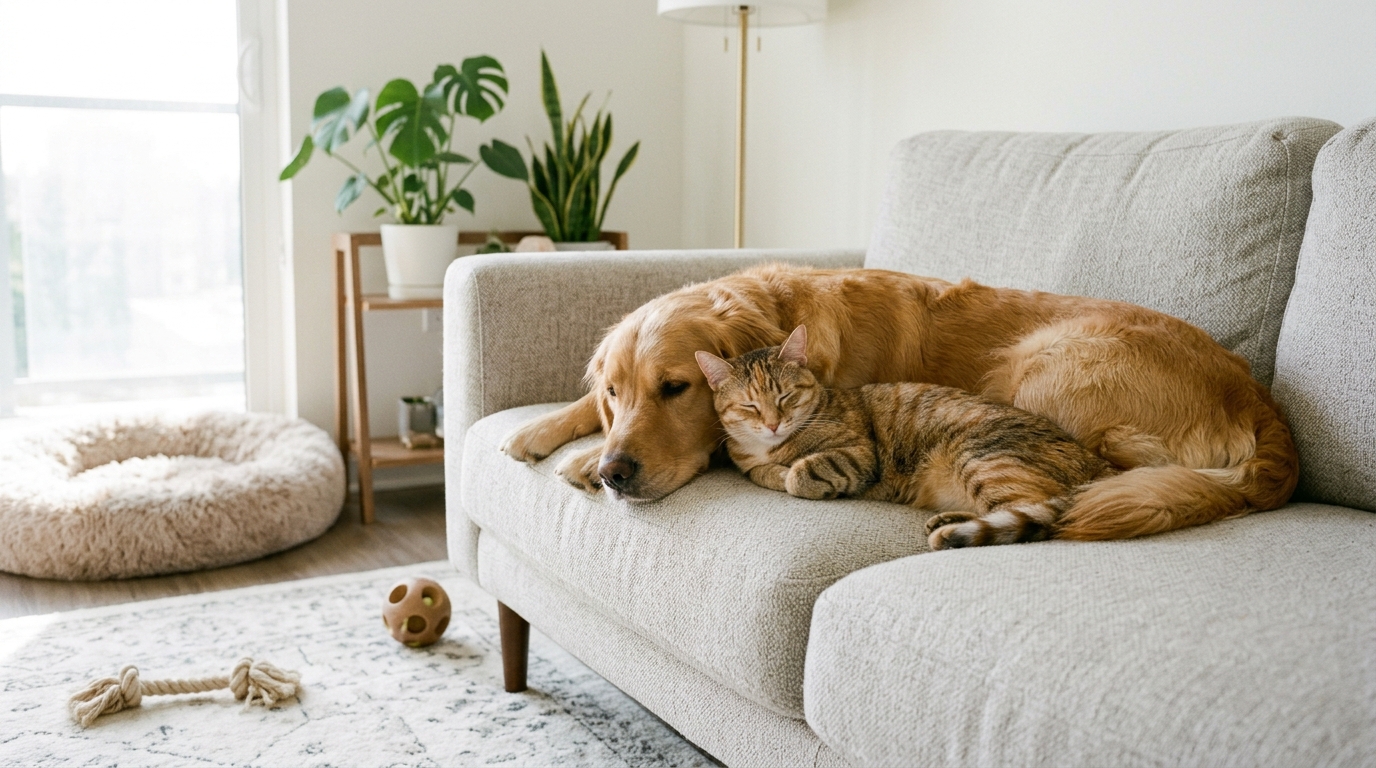
Pets experience more than physical sensations. Dogs and cats can also experience emotional states such as fear, stress and anxiety. Changes in their environment, separation from their owners, unfamiliar people, loud noises and disrupted routines can all affect how they behave.
An anxious pet may bark excessively, hide, become destructive, stop eating or show changes in its usual behaviour. These signs are sometimes misunderstood as disobedience or bad habits, when the animal may actually be experiencing distress.
Understanding pet mental health is an important part of responsible ownership. By recognising early warning signs and providing a supportive environment, owners can help dogs and cats feel safer and more comfortable.
1. Can Dogs and Cats Experience Anxiety?
Yes. Dogs and cats can experience fear, stress and anxiety.
Fear is usually a response to an immediate perceived threat. Stress is the body’s response to a challenge or change. Anxiety can involve anticipation of a possible threat, even when the trigger is not immediately present.
These emotional responses can affect behaviour, appetite, sleep, activity and interactions with people or other animals.
Anxiety is not always obvious. Some pets become noisy and restless, while others withdraw, hide or become unusually quiet.
The American Animal Hospital Association (AAHA) recognises behaviour and emotional wellbeing as important parts of veterinary care. Its Canine and Feline Behavior Management Guidelines discuss anxiety, fear, behaviour changes and ways to support pets.
2. Common Causes of Anxiety in Dogs
Dogs are social animals and may be sensitive to changes in their surroundings or daily routines.
Common triggers include:
Separation from owners
Some dogs become distressed when left alone. They may bark, whine, pace, destroy objects or attempt to escape.
Loud noises
Thunderstorms, fireworks, construction work and other sudden sounds can trigger fear and anxiety.
Unfamiliar environments
Moving home, travelling, visiting unfamiliar places or staying in boarding facilities can be stressful for some dogs.
Changes in routine
Changes to feeding times, exercise, household members or the amount of time spent alone can affect a dog’s sense of security.
Unfamiliar people and animals
Some dogs may feel uncomfortable around strangers, visitors or unfamiliar dogs, particularly if they have had negative experiences.
Previous negative experiences
Abandonment, neglect, frightening encounters or insufficient early socialisation may contribute to fear-related behaviour.
3. Common Causes of Anxiety in Cats
Cats can also experience stress, although their signs may be more subtle.
Common triggers include:
Changes in the home
Moving house, renovating, introducing new furniture or changing familiar surroundings can make cats feel unsettled.
New pets or people
Introducing another cat, dog or household member can disrupt a cat’s established territory and routine.
Lack of safe spaces
Cats need places where they can retreat, rest and observe their surroundings without being disturbed.
Changes to litter arrangements
A dirty litter box, unsuitable litter, poor location or competition between cats can contribute to toileting problems.
Loud sounds and unfamiliar activity
Visitors, household noise, construction and sudden changes can make some cats anxious.
Limited stimulation
A lack of opportunities to play, explore, climb and express natural hunting behaviours may contribute to frustration and unwanted behaviour.
4. Signs Your Pet May Be Experiencing Anxiety
Every animal is different. Look for changes from your pet’s normal behaviour rather than relying on one symptom.
Signs of anxiety in dogs
- Excessive barking or whining
- Pacing or restlessness
- Panting when not hot or physically active
- Trembling or shaking
- Destructive chewing
- Scratching at doors or escape attempts
- Excessive licking
- Hiding or avoiding interaction
- Changes in appetite
- Unusual toileting indoors
Signs of anxiety in cats
- Hiding for extended periods
- Excessive vocalisation
- Reduced appetite
- Over-grooming or pulling out fur
- Avoiding people or other pets
- Aggressive or defensive behaviour
- Urinating or defecating outside the litter box
- Changes in sleeping habits
- Reduced play or activity
- Repeated attempts to escape
Some of these signs can also indicate physical illness or pain. For example, a cat that suddenly starts urinating outside its litter box may have a urinary or other medical problem. A veterinary assessment should come before assuming the cause is behavioural.
5. Understanding Separation Anxiety
Separation-related distress occurs when a pet becomes anxious during separation from an owner or another attachment figure.
Dogs may show signs such as:
- Barking or howling after the owner leaves
- Pacing
- Scratching doors
- Destructive behaviour
- Excessive salivation
- Attempts to escape
- Toileting indoors
Some cats also become distressed when left alone, although their behaviour may be less obvious.
How to help a pet with separation anxiety
Build independence gradually
Practise short, manageable periods of separation and increase them according to your pet’s response. Avoid leaving an already distressed animal alone for longer periods as a training exercise.
Create a comfortable space
Provide a familiar resting area with water, bedding and suitable enrichment.
Use appropriate enrichment
Food puzzles and safe toys may help some pets remain occupied, although they are not a complete treatment for severe anxiety.
Observe behaviour when you are away
A camera can help you understand what happens after you leave. Look for pacing, vocalisation, attempts to escape or other signs of distress.
Seek professional guidance
Significant separation anxiety may require a structured behaviour-modification plan and, in some cases, veterinary treatment.
6. How to Reduce Stress in Dogs
A predictable and supportive routine can help dogs feel more secure.
Provide regular exercise
Choose activities appropriate for your dog’s age, breed and physical condition. Walks, sniffing opportunities and play can support physical and mental wellbeing.
Use positive reinforcement
Reward calm and desirable behaviour with treats, praise or play. Avoid punishment, shouting or intimidating training methods.
Create a safe resting area
Give your dog a comfortable place where it can relax without being disturbed.
Introduce new experiences gradually
Allow your dog to explore unfamiliar people, places and situations at a manageable pace.
Use mental enrichment
Puzzle toys, scent games, short training sessions and food-dispensing toys can provide mental stimulation.
Respect individual preferences
Not every dog enjoys busy dog parks, large groups or frequent social interaction. Give your pet opportunities to move away from situations that make it uncomfortable.
7. How to Reduce Stress in Cats
Cats benefit from an environment that allows them to feel secure and maintain some control over their surroundings.
Provide hiding places
Covered beds, boxes and quiet resting areas can help cats feel protected.
Create vertical space
Cat trees, shelves and safe elevated resting places allow cats to observe their environment from a comfortable position.
Keep resources accessible
Provide suitable food, water, litter and resting areas. In multi-cat households, spread resources around the home to reduce competition.
Maintain clean litter boxes
Keep litter boxes clean, accessible and away from food and water stations. A commonly used starting point is one litter box per cat, plus one extra.
Encourage interactive play
Use wand toys and other suitable toys to encourage natural chasing and hunting behaviours.
Allow cats to approach
Avoid forcing interaction. Let your cat choose when it wants attention and provide gentle, positive experiences.
8. Pet Mental Health in Dubai
Living in Dubai can involve particular environmental and lifestyle factors that pet owners should consider.
Heat and outdoor activity
During hot months, outdoor walks and play may need to take place during cooler hours. Pets may spend more time indoors, making indoor enrichment particularly important.
Construction and neighbourhood noise
Construction, traffic and other urban sounds can disturb sensitive pets. Provide a quiet room or safe resting area where possible.
Apartment living
Dogs may need planned walks, exercise and opportunities to explore. Cats benefit from climbing structures, scratching posts and interactive play.
Travel and relocation
Moving between countries, travelling or spending time in boarding facilities can disrupt routines. Prepare gradually where possible and discuss travel-related anxiety with your veterinarian.
Changes in household routines
Work schedules, visitors, holidays and domestic staff arrangements can affect pets. Try to maintain consistent feeding, exercise and rest routines.
9. When Should You Consult a Veterinarian?
Seek veterinary advice if your pet shows persistent or sudden behaviour changes.
Professional assessment is especially important if you notice:
- Persistent refusal to eat
- Sudden aggression or unusual fear
- Repeated destructive behaviour
- Excessive grooming or self-injury
- Repeated toileting accidents
- Severe separation-related distress
- Changes in sleep or activity
- Signs of pain or physical illness
A veterinarian can check for medical conditions that may be contributing to the behaviour. If needed, they may recommend a qualified veterinary behaviourist or an appropriately trained behaviour professional.
10. Can Anxiety in Pets Be Treated?
Yes. Treatment depends on the cause, severity and individual animal.
A treatment plan may include:
- Changes to the home environment
- A predictable daily routine
- Positive-reinforcement training
- Gradual behaviour modification
- Appropriate enrichment
- Reducing exposure to specific triggers
- Veterinary-prescribed medication when indicated
- Support from a qualified behaviour professional
Medication is not appropriate for every pet, and it should only be used under veterinary supervision. It may form part of a broader treatment plan rather than being the only intervention.
Avoid punishment, forced exposure or methods intended to frighten an anxious animal into changing its behaviour. These approaches can make fear worse.
11. Building a Mentally Healthy Routine for Your Pet
Small daily habits can support emotional wellbeing.
For dogs:
- Provide suitable walks and sniffing opportunities.
- Include short positive training sessions.
- Offer safe toys and puzzle activities.
- Maintain a predictable routine.
- Provide a quiet place to rest.
For cats:
- Schedule interactive play.
- Provide hiding and climbing spaces.
- Keep food, water and litter arrangements consistent.
- Offer scratching surfaces.
- Allow choice and control over social interaction.
For both dogs and cats, pay attention to changes in behaviour and discuss concerns during veterinary visits.
Frequently Asked Questions
Can dogs suffer from anxiety?
Yes. Dogs can experience separation-related distress, noise fears, fear of unfamiliar situations and other anxiety-related behaviours.
Can cats experience anxiety?
Yes. Cats can become anxious because of environmental changes, unfamiliar animals, disruption to their territory, loud noises and other stressors.
How do I know if my pet is stressed?
Look for changes such as hiding, excessive vocalisation, pacing, trembling, altered appetite, destructive behaviour or unusual toileting. A veterinarian can help identify the cause.
Should I punish an anxious dog or cat?
No. Punishment can increase fear and stress. Positive reinforcement, environmental changes and professional guidance are more appropriate.
Do calming products work for pets?
Some products may help certain animals, but their effectiveness varies. Discuss supplements, pheromone products and other calming aids with your veterinarian before use.
When should I seek professional help?
Seek advice when anxiety is persistent, severe, affects eating or daily activity, causes self-injury or creates safety concerns. Sudden behaviour changes should also be assessed for possible medical causes.
Final Thoughts
Mental wellbeing is an important part of a pet’s overall health. Dogs and cats can experience anxiety, fear and stress, and these emotions can influence how they behave and interact with their surroundings.
By recognising warning signs, maintaining consistent routines, providing suitable enrichment and seeking veterinary advice when needed, owners can help their pets feel more secure.
A calm, supportive home is not simply a comfortable place to live. It is an important part of helping pets enjoy healthier and happier lives.
Contributed by GuestPosts.biz