


Pet Technology and Smart Gadgets: How Innovation Is Transforming Pet Care in 2027
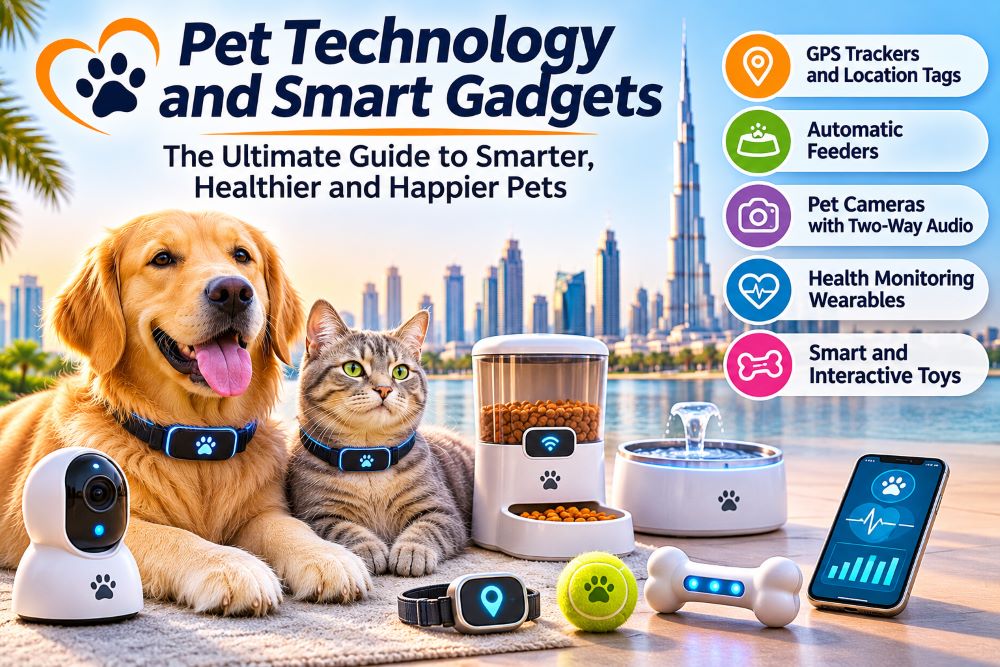
Technology is transforming almost every aspect of our lives, and pet care is no exception. From artificial intelligence-powered pet cameras and GPS tracking collars to automated feeders and intelligent health monitoring devices, smart pet technology is revolutionising how we care for our furry companions. As pet ownership continues to grow worldwide, including in Dubai and the UAE, pet parents are increasingly embracing innovative gadgets that make animal care safer, more convenient, and personalised.
The rise of smart pet products reflects a broader shift towards preventive healthcare, connected lifestyles, and responsible pet ownership. Modern technology allows owners to monitor their pets remotely, track physical activity, manage feeding schedules, and identify potential health concerns. As we approach 2027, the integration of artificial intelligence, the Internet of Things (IoT), and wearable technology is expected to create even more opportunities for improving animal welfare.
1. Smart GPS Pet Trackers
Losing a pet can be a frightening experience. GPS-enabled pet collars and trackers help owners monitor their animals’ locations through smartphone applications.
Many devices provide real-time location updates, movement histories, and virtual boundaries known as geofences. Owners can receive notifications when their pets leave designated safe areas.
These devices are particularly useful for adventurous dogs and outdoor cats. However, GPS accuracy, battery life, network coverage, and subscription requirements vary between products.
In Dubai, where residential communities and outdoor spaces can be extensive, location-tracking technology can offer additional peace of mind.
2. Automatic Smart Pet Feeders
Smart feeders are changing how owners manage their pets’ daily nutrition. These connected devices allow users to schedule meals, control portions, and monitor feeding routines through mobile applications.
Some advanced models include cameras, voice recording capabilities, and notifications confirming that food has been dispensed.
Automatic feeders can be particularly helpful for busy professionals and households with predictable feeding schedules. They may also support weight management by providing measured portions.
However, automated feeding should complement responsible care rather than replace human supervision. Owners must regularly check food supplies, clean the equipment, and ensure that the device functions correctly.
3. AI-Powered Pet Cameras
Pet cameras have evolved beyond basic home surveillance. Modern devices allow owners to observe, communicate with, and sometimes interact with their pets remotely.
Selected products offer two-way audio, motion detection, treat dispensing, and notifications triggered by barking or unusual activity.
Artificial intelligence can help distinguish certain animal movements and behaviours, although automated interpretations are not always reliable.
For pet owners working long hours, smart cameras provide useful visibility into their animals’ daily routines. They can also help identify signs of restlessness or possible separation-related distress that deserve further attention.
4. Smart Collars and Health Monitoring Wearables
Wearable technology is becoming an important component of modern pet wellness.
Smart collars and activity monitors can track movement, rest patterns, scratching, and other behavioural indicators. Some devices use algorithms to identify changes from an animal’s normal routine.
Such information may help owners recognise reduced activity, unusual sleep patterns, or potential health concerns earlier.
However, consumer wearables are not substitutes for veterinary examinations. Their measurements and alerts should be interpreted cautiously, particularly when making medical decisions.
As sensors and analytical technologies improve, pet wearables may become increasingly useful tools for preventive healthcare.
5. Interactive Smart Toys
Mental stimulation is essential for keeping pets happy, engaged, and emotionally healthy.
Interactive smart toys encourage physical movement, problem-solving, and natural play behaviours. Popular examples include automated ball launchers, moving robotic toys, electronic puzzle feeders, and motion-activated cat toys.
Some devices adjust their movements or difficulty levels in response to animal interactions.
These products can be particularly beneficial for indoor pets that require additional enrichment.
Nevertheless, electronic toys should be selected according to the animal’s size, temperament, and safety requirements. Supervision remains important, especially when toys contain batteries or detachable components.
6. Smart Pet Doors and Access Control
Traditional pet doors are increasingly being replaced by intelligent access systems.
Smart pet doors can use microchips, RFID tags, or connected sensors to identify authorised animals and control entry.
This technology helps prevent unwanted animals from entering homes while allowing registered pets greater independence.
Some systems also offer remote locking, scheduled access, and activity notifications.
For homeowners, these devices combine convenience with an additional layer of household security.
7. Automated Litter Boxes
Cleaning litter boxes is an unavoidable responsibility for cat owners, but automated technology is making the process more convenient.
Self-cleaning litter boxes use sensors and mechanical systems to separate waste from clean litter after a cat has used the box.
Advanced models may provide usage records, waste-container alerts, and weight measurements.
These features can help owners maintain hygiene and observe changes in litter box habits.
However, automated litter boxes require careful maintenance and must be appropriate for the cat’s size and age. Owners should select devices with reliable safety mechanisms and inspect them regularly.
8. Smart Water Fountains and Hydration Monitoring
Proper hydration is essential for animal health, especially in hot climates such as Dubai and the wider UAE.
Smart water fountains encourage drinking by circulating filtered water. Connected models may monitor water levels, remind owners to replace filters, and provide maintenance notifications.
Some newer devices also estimate water consumption.
Hydration monitoring can be particularly useful for cats, which may naturally consume less water than owners expect.
Nevertheless, fresh water should always remain accessible, even if a smart fountain loses power or stops functioning.
9. Pet Healthcare Apps and Digital Veterinary Services
Digital platforms are simplifying how owners manage veterinary appointments, medical records, vaccinations, and medication reminders.
Pet healthcare applications can organise health histories and help owners monitor ongoing treatment plans.
Telehealth services may also provide convenient access to veterinary advice, depending on local regulations and the nature of the medical concern.
Artificial intelligence is increasingly being explored for analysing animal images, activity patterns, and health information.
However, digital assessments cannot reliably diagnose every condition. Emergencies and serious symptoms require direct veterinary care.
10. The Future of AI in Pet Care
Artificial intelligence is expected to play a growing role in the development of personalised pet care solutions.
Future technologies may combine information from wearable sensors, feeding devices, cameras, and veterinary records to provide more comprehensive wellness insights.
Predictive analytics could help identify behavioural changes, support tailored exercise recommendations, and improve the management of chronic health conditions.
Robotic companions, intelligent enrichment systems, and connected pet homes may also become more sophisticated.
Yet privacy, data security, affordability, and animal welfare must remain central considerations as these technologies evolve.
Pet technology is transforming the relationship between animals and their owners by making everyday care more connected, convenient, and informed.
From GPS trackers and automatic feeders to AI-powered cameras and health monitoring wearables, smart gadgets offer practical benefits for modern households.
As Dubai and the UAE continue embracing smart living and digital innovation, pet technology presents exciting opportunities for pet owners, veterinarians, retailers, and entrepreneurs.
However, technology should enhance responsible pet ownership rather than replace personal attention, exercise, veterinary care, and emotional bonding.
The smartest pet care technology is not the gadget with the most features. It is the innovation that genuinely improves an animal’s health, safety, and happiness.
The future of pet care will combine intelligent technology with something that no machine can replace: the unconditional love and companionship between pets and their human families.
Contributed by GuestPosts.biz