


Pet Nutrition and Diet
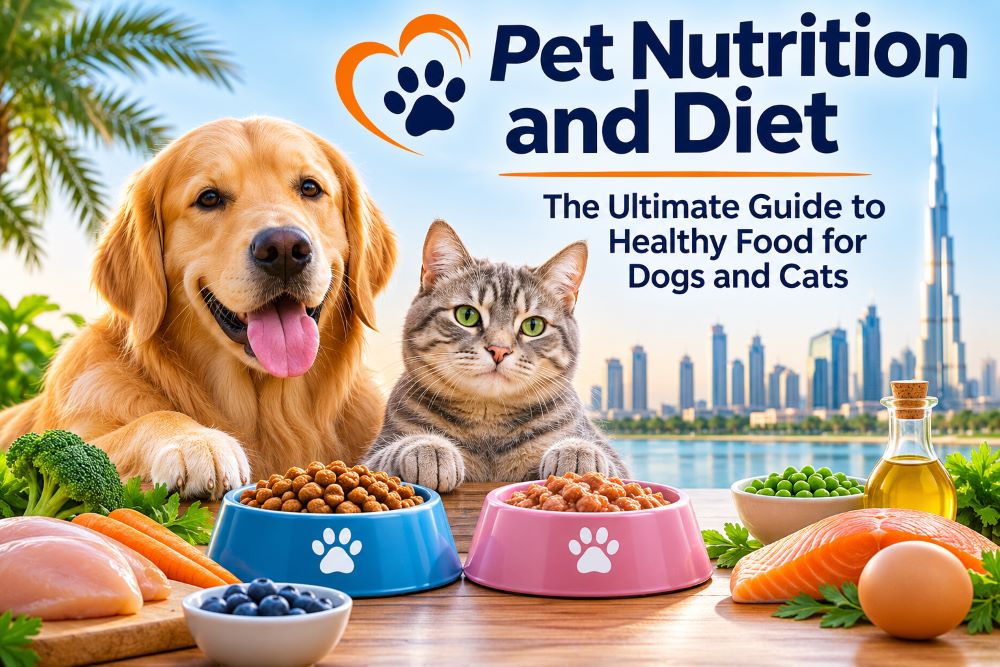
Good nutrition is the foundation of a healthy and happy life for pets. Just like humans, dogs and cats require a balanced diet that provides essential nutrients, supports their immune systems, maintains healthy body weight, and promotes overall well-being. With the growing popularity of pet ownership worldwide, including Dubai and the UAE, pet parents are becoming increasingly conscious of what they feed their furry companions.
From premium commercial pet foods and natural ingredients to homemade meals and specialised diets, the pet nutrition industry offers more choices than ever before. However, understanding what constitutes a healthy diet is essential for making informed decisions. Proper nutrition can improve your pet’s energy levels, skin condition, digestive health, and quality of life.
1. Understanding Your Pet’s Nutritional Needs
Dogs and cats have different nutritional requirements based on their species, age, breed, size, activity level, and health conditions. A balanced diet should contain appropriate amounts of proteins, fats, carbohydrates where suitable, vitamins, minerals, and water.
Dogs are omnivorous animals that can digest nutrients from both animal and plant-based ingredients. Cats, on the other hand, are obligate carnivores and require specific nutrients found naturally in animal tissues, including taurine and preformed vitamin A.
Choosing food specifically formulated for your pet’s species and life stage is essential. Puppies, kittens, adult animals, and senior pets have different dietary requirements that must be addressed through appropriate feeding plans.
2. The Importance of High-Quality Protein
Protein is one of the most important nutrients in a pet’s diet. It supports muscle development, tissue repair, immune function, and overall growth.
Common protein sources in commercial pet foods include chicken, turkey, fish, lamb, beef, and eggs. High-quality proteins provide essential amino acids necessary for maintaining healthy body functions.
Cats generally require higher levels of dietary protein than dogs. However, the ideal amount depends on individual health conditions and nutritional requirements.
Pet owners should focus on nutritionally complete food rather than assuming that products with the highest advertised protein percentages are automatically healthier.
3. Choosing Between Dry Food and Wet Food
One of the most common questions among pet owners is whether dry or wet food is better.
Dry food, commonly known as kibble, is convenient, easy to store, and generally more economical. It can also be used in puzzle feeders to encourage mental stimulation.
Wet food contains higher moisture levels, making it particularly beneficial for pets that consume insufficient water. It is often more appealing to picky eaters and can support hydration, especially in cats.
Both options can provide complete nutrition when properly formulated. Many veterinarians recommend selecting foods based on the animal’s preferences, health requirements, and lifestyle rather than relying exclusively on one format.
4. Understanding Pet Food Labels
Reading pet food labels helps owners make better purchasing decisions. Packaging often contains marketing claims such as natural, premium, grain-free, or holistic, but these descriptions do not necessarily indicate superior nutritional quality.
Look for a nutritional adequacy statement confirming that the food is complete and balanced for your pet’s life stage, according to recognised standards such as AAFCO or FEDIAF.
Check feeding recommendations, calorie content, ingredient information, and manufacturer details.
For pets with allergies, kidney disease, diabetes, or other medical conditions, specialised veterinary diets may be necessary. These should be selected with professional guidance.
5. Foods That Pets Should Avoid
Some foods commonly consumed by humans can be harmful or even life-threatening to animals.
Chocolate, grapes, raisins, onions, garlic, alcohol, and products containing xylitol are particularly dangerous for dogs. Cats are also vulnerable to several common food toxins, including onions, garlic, and chocolate.
Cooked bones can splinter and cause choking or internal injuries, while excessively fatty foods may trigger digestive problems.
Pet owners should avoid sharing table scraps without understanding their potential risks. If your pet consumes a potentially toxic substance, contact a veterinarian immediately rather than waiting for symptoms to appear.
6. Homemade Pet Food and Raw Diets
Homemade pet food has become increasingly popular among owners seeking greater control over ingredients.
Freshly prepared meals may offer flexibility, particularly for animals with specific dietary requirements. However, homemade diets can become nutritionally deficient when they are not professionally formulated.
Raw food diets are also attracting attention, but they carry potential risks, including bacterial contamination and nutritional imbalances.
Anyone considering homemade or raw feeding should consult a veterinarian or board-certified veterinary nutritionist to ensure that meals are nutritionally complete and safe.
7. Maintaining a Healthy Weight
Pet obesity is a growing concern worldwide. Excess weight increases the risk of diabetes, arthritis, respiratory problems, and reduced mobility.
Portion control is essential for maintaining an appropriate body condition. Feeding quantities should be based on your pet’s ideal weight, activity level, and the calorie content of its food.
Treats should generally account for no more than 10% of daily calorie intake, with the remaining calories coming from a complete and balanced diet.
Regular weight monitoring, exercise, and veterinary consultations can help prevent obesity-related health complications.
8. Hydration and Water Intake
Water is essential for digestion, circulation, temperature regulation, and the elimination of waste products.
Pets should always have access to clean, fresh drinking water. Hydration is particularly important in hot climates such as Dubai, where high temperatures can increase the risk of dehydration and heat-related illnesses.
Cats sometimes prefer running water, making pet drinking fountains a useful option. Wet food can also contribute to daily fluid intake.
Signs of dehydration may include lethargy, dry gums, weakness, and reduced urination. Suspected dehydration requires prompt veterinary attention.
9. Nutrition for Puppies, Kittens and Senior Pets
Nutritional needs change throughout an animal’s life.
Puppies and kittens require diets that support rapid growth, bone development, and healthy organ function. Large-breed puppies may need specially formulated food to support controlled skeletal development.
Adult pets require balanced maintenance diets suited to their activity levels.
Senior animals may benefit from adjustments in calorie intake, protein quality, and nutrient composition depending on their health.
Older pets with chronic illnesses may require therapeutic diets recommended by veterinarians.
10. The Future of Pet Nutrition
The pet food industry is evolving with advances in nutritional science, personalised feeding plans, and smart technology.
Automated feeders, calorie-tracking applications, and veterinary nutrition platforms are helping owners manage feeding routines more effectively.
Artificial intelligence may increasingly support personalised nutritional recommendations based on factors such as age, activity, body condition, and medical history.
Sustainable ingredients, alternative protein sources, and environmentally responsible packaging are also influencing product development.
However, innovation should always be supported by nutritional research, product safety, and veterinary expertise.
Pet nutrition is not simply about filling a food bowl. It is about providing the right balance of nutrients to support a longer, healthier, and more fulfilling life.
Every dog and cat has unique dietary requirements, making informed food choices essential. By selecting nutritionally complete meals, maintaining healthy portions, ensuring adequate hydration, and seeking professional veterinary advice, pet owners can significantly improve their animals’ overall well-being.
As pet ownership continues to grow across Dubai and the UAE, awareness of responsible feeding practices is becoming increasingly important.
The best diet is not necessarily the most expensive or fashionable one. It is the diet that meets your pet’s individual nutritional needs safely and consistently.
A healthy pet starts with healthy nutrition, and every thoughtful feeding decision is an investment in years of companionship, happiness, and unconditional love.
Contributed by GuestPosts.biz